


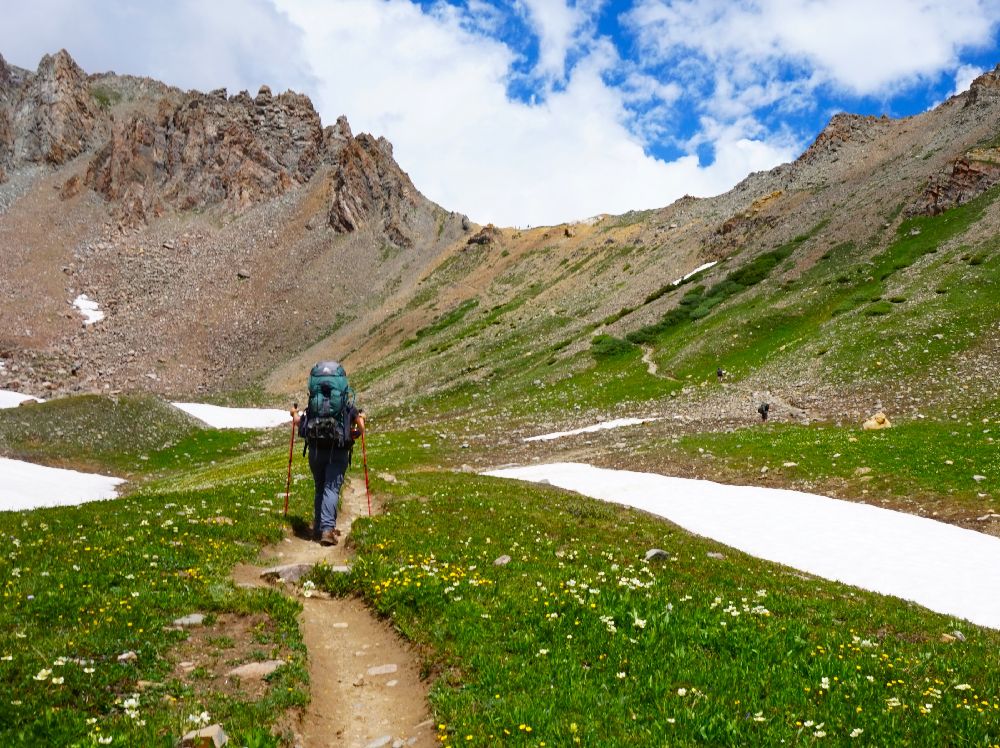
Weeklong backpacking trips were the inspiration behind Trailtopia. Waking up day after day in nature, disconnecting from the noise of everyday life, and fueling your body with real food so you can keep going mile after mile. Those are the moments we live for. But let’s be honest: most of us don’t always have the flexibility to disappear into the backcountry for a full week or more.
Sometimes all you have is 24 hours. And when time is tight, it can start to feel like more effort than it’s worth. The planning, the packing, the logistics, it’s easy to wonder if a short backpacking trip will actually help you escape or just add more stress to an already busy schedule. But, with a little intention and the right approach, a single overnight can be just as amazing as a longer adventure. It’s enough time to disconnect, move your body, eat well, and sleep outside without needing days of recovery or complicated planning.
This guide is here to help you make the most of a 24-hour backpacking trip, from choosing the right trail to packing smart and keeping things simple. Consider this your no-overthinking, real-life guide to getting outside when time is limited because sometimes one night out is exactly what you need.
Picking the Trail
One of the most important parts of planning a 24-hour backpacking trip happens before you ever pack your bag: choosing the right trail.
When time is limited, your trail choice can make or break the experience. The goal isn’t to cram in as many miles as possible; it’s to create a trip that feels fun, doable, and refreshing rather than rushed or exhausting. A well-chosen route sets the tone for the entire adventure and allows you to focus less on logistics and more on actually being outside.
For short trips, simplicity is your friend. Trails with straightforward navigation, easy access to the trailhead, and doable difficulty tend to work best. You want a route that gives you enough adventure to feel like you truly got away, without adding unnecessary stress or complexity to an already tight timeline.
What Makes a Trail Ideal for a 24-Hour Trip
Not every trail is well-suited for a quick overnight, but the good news is that many are once you know what to look for.
First, consider distance and elevation gain together. For most people, 8–15 miles total with moderate elevation gain hits the sweet spot for a 24-hour trip. It’s enough mileage to feel accomplished, but still realistic when you factor in setup, cooking, and sleep. If the elevation gain is on the higher side, aim for fewer miles and vice versa.
Next, think about the trail layout. Loop trails and out-and-backs are ideal because they keep logistics simple. Bonus points if the trail allows you to adjust your mileage on the fly depending on how you’re feeling.
Trailhead access and drive time matter more than most people expect. For a 24-hour trip, spending half the day in the car can quickly eat into your time outside. Choosing a trail that’s closer to home often results in a more relaxed and enjoyable trip overall.
Permits and regulations are another key factor. Some areas require advance permits, bear canisters, or specific campsite reservations. While these places can still work for short trips, they often require a bit more planning. If spontaneity is the goal, look for trails with fewer restrictions and easier access.
The ideal 24-hour trail isn’t about checking the biggest box or reaching the highest summit. It’s about finding a route that fits your schedule, energy level, and desire to actually enjoy the short time you have outside.
Planning the 24 Hours
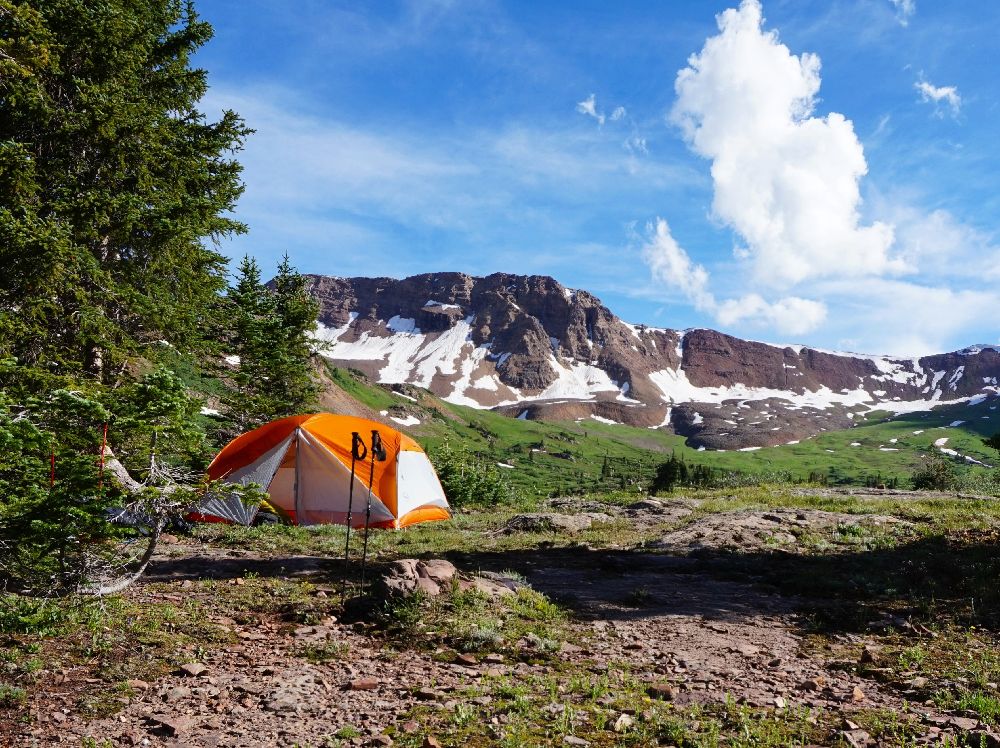
When you’re only out for one night, planning your time is important. This doesn’t mean scheduling every minute, because we all know that is a setup for disaster, but instead creating a flow. Over time, we’ve found that anchoring the trip around a start and end time, as well as where we will set up camp, makes the trip smooth without stress. Which brings us to our favorite approach…
Our Go-To 6 PM to 6 PM Itinerary
A 6 PM to 6 PM trip is our tried-and-true formula for squeezing the most enjoyment out of a short overnight without feeling hurried. Starting in the evening means you can finish work, pack the car, and still get out to the trailhead with daylight to spare (especially in the longer months). You don’t need to hike far the first night, just enough to get away from the trailhead and settle into camp, and then you get to start the next day waking up in the woods!
Evening (6-9 PM):
This is all about simply getting outside and sleeping in the woods. We plan on getting to the trailhead around 6 pm for a short hike in, setting up camp, and making a warm dinner. This isn’t about crushing miles, but setting up tomorrow to be an epic adventure.
Morning (7-10 AM):
No alarms required (unless permits say otherwise). Wake up slowly, make breakfast, enjoy the quiet, and take your time breaking down camp. Since you’re not racing daylight, mornings feel calmer and more intentional.
Midday Hike to our Predetermined Lunch Spot (10 AM–3 PM):
This is often the most enjoyable part of the trip. You’re rested, fed, and moving through the trail at a relaxed pace. This is a great time to cover the majority of your miles and get to an epic lunch spot to hang out for an hour or two.
Lunch Hang and Hike Out (3-6 PM):
After eating a full lunch and resting. It’s time to finish the hike with the goal of being back at the car in time to reset for the week ahead. No hurrying to beat the sun, or crazy exhaustion, just that satisfied feeling of fitting an adventure into a small window.
This 6 PM to 6 PM structure gives you the benefits of a full backpacking experience, dinner, camp, sunrise, miles, and meals without needing to carve out multiple days. It’s flexible, forgiving, and perfect for spontaneous trips when life doesn’t slow down, but you still want to get outside. Of course, you can change this time to fit your life and schedule!
Packing for Comfort and Efficiency
When you’re heading out for just 24 hours, packing is all about balance. You want enough gear to stay comfortable and well-fed, without overthinking it or loading your pack with “just in case” items that never leave the bottom of your bag. Since you’re only out for one night, you can prioritize comfort a little more than you might on a longer trip where a bit of extra weight will kill your mileage.
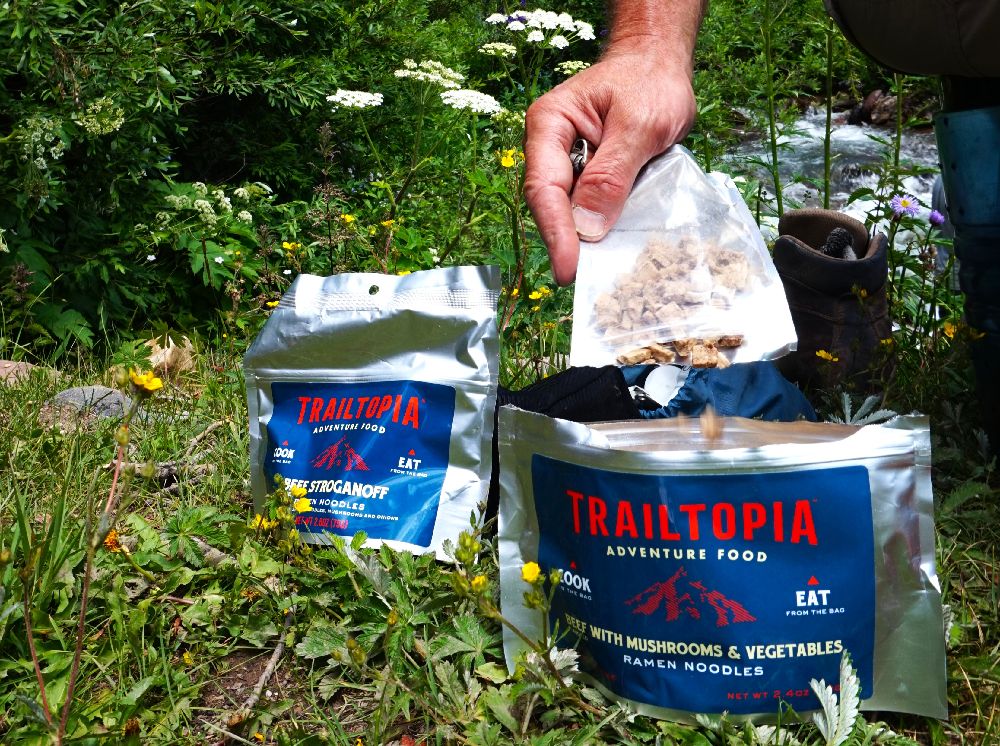
Food plays a big role here. Meals that are lightweight, easy to prepare, and require minimal cleanup can completely change how camp feels. When dinner, lunch, breakfast, and snacks are simple, you’re free to relax, explore, and actually enjoy the time you’re out there instead of juggling logistics. Trailtopia’s cook-in-the-bag meals are a perfect fit for 24-hour trips; fast, filling, nutrient-dense, and no dishes required.
At the end of the day, packing for a short backpacking trip shouldn’t feel stressful. The goal isn’t perfection; it’s comfort, ease, and setting yourself up to enjoy every hour you have outside.
Non-Negotiables
These are the items that always make it into our packs, no matter the trail or the season:
Tent
Sleeping Bag or Quilt
Sleeping Pad
Stove & Fuel
Utensil(s) for Eating
Water and Container (How much water we carry and the container usually depend on how many water sources there will be on the hike)
Water Filter System
First Aid Kit that includes a sharp knife.
Toiletries (For us, this includes any medication, toothpaste, toothbrush, contact case, saline solution, and glasses)
Toilet Paper & Trowel (Remember to pack out your toilet paper, we always use a Trailtopia pouch as they seal air-tight!)
Headlamp
Phone with a downloaded map of the hiking area
The Negotiables
These items aren’t essential, but they can make camp more comfortable — especially on a short trip where you’re not counting every ounce:
Pillow
Hammock
Quick Dry Towel
Small lightweight table
Chair
Fishing equipment
Camp shoes
Clothing
We keep clothing simple and versatile, adjusting based on the forecast:
1 Pair of Hiking Shorts & 1 Pair of Long Pants (or just one pair of Zip Offs!)
1 Hiking Shirt
2 Pairs of Socks
2 Pairs of Underwear
Puffy or lightweight warm jacket
Sleeping clothes (Some people don’t need these, we do!)
Beanie
Hiking Boots
Any additional layers needed to stay warm based on weather conditions
Consumables
For a 24-hour trip, this is our go-to food setup:
Breakfast - Favorite Trailtopia Oatmeal (1 per person)
Lunch - Favorite Trailtopia Ramen (1 per person)
Dinner - Favorite Trailtopia Entree (Single Serve for 1 or Double Serving for 2)
- Dessert - Favorite Trailtopia Dessert (1 per 2 people)
Snack 1 - Energy & Protein Bars (2 per person)
Snack 2 - Jerky (4oz per person)
Electrolytes
Everyone’s needs are different, so don’t be afraid to pack a little extra food if the weather’s cold, the miles are big, or you know you’re a hungry hiker.
Final Thoughts on 24-Hour Backpacking Trips
Between work schedules, permit limitations, and the general busyness of everyday life, 24-hour backpacking trips often make the most sense. We’ve found that even though these trips are short, they are always worth it! Especially when we are itching for an escape to reset, recharge, and keep moving through the daily grind.
The more you plan these quick outings, the easier (and more tempting) they become. In fact, there are times when we prefer a 24-hour trip over a full weekend adventure. You still get the joy of being outside, but you’re able to return home with time left for rest, chores, and easing back into routine. Plus, these trips often lead us to trails closer to home, which frequently turn into our favorite go-to escapes.
Now we’d love to hear from you. What’s your ideal length for a backpacking trip? Have you tried, or thought about trying, a 24-hour trek before? Comment below! We can’t wait to hear your thoughts, stories, and tips!